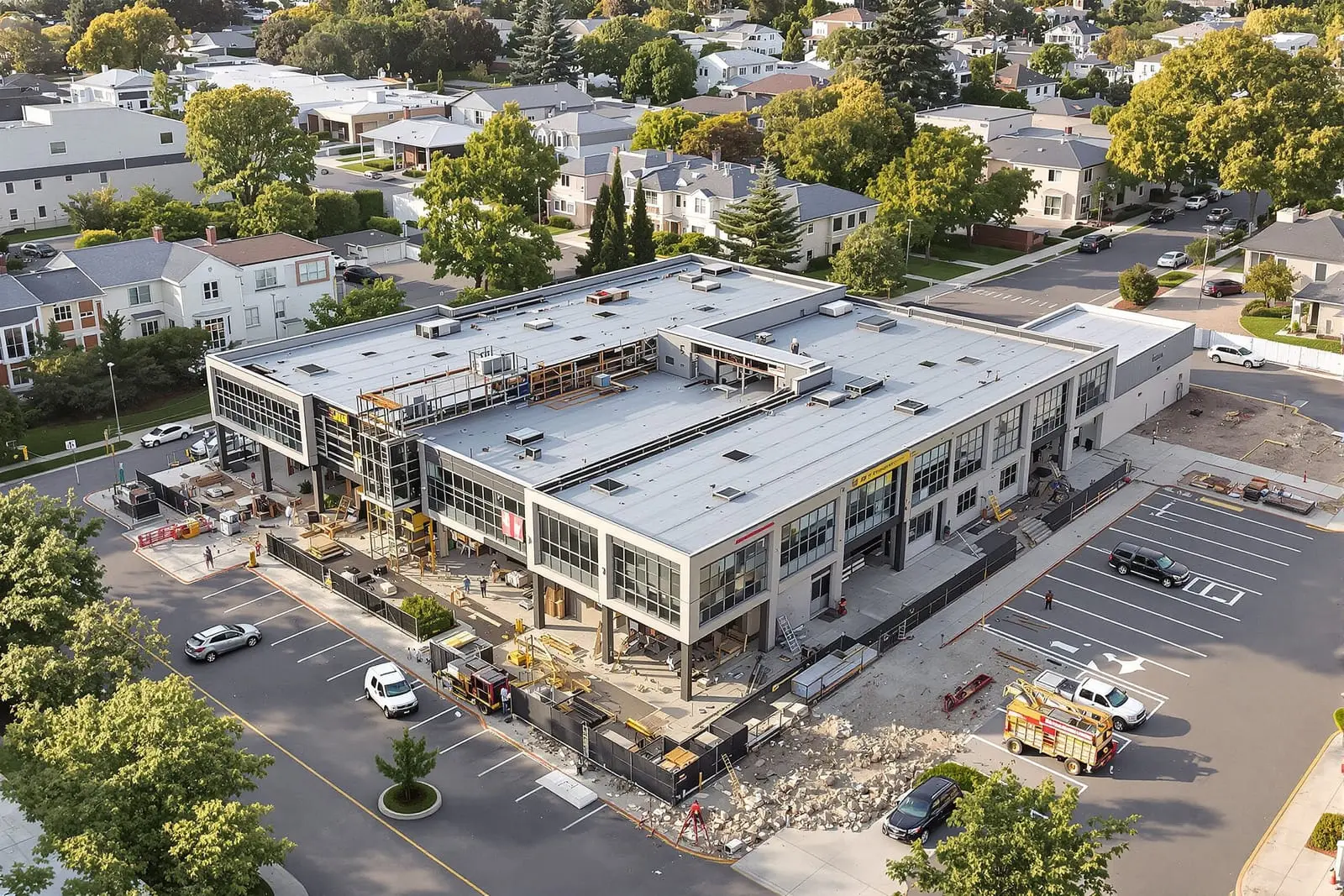
We handle medical facility demolition in Orlando, FL for hospitals, clinics, labs, and imaging suites. Our crews follow strict infection control, dust, and noise protocols while coordinating with facility staff. From interior strip outs to wing removal, we manage specialized materials and equipment carefully and compliantly.
Brava Demolition Orlando provides professional medical facility demolition throughout Orlando, FL and the surrounding area. Our licensed, insured crew delivers safe, clean, on-time work with a free estimate before anything begins. Call (689) 600-3239 or request your free quote.
Medical Facility Demolition in Orlando Done the Right Way
Medical and healthcare facility demolition is not the same thing as taking down an office or a retail space. You are dealing with biohazards, sensitive records, complex mechanical systems, and neighbors who still need a quiet, clean environment. Brava Demolition Orlando focuses on the specific demands of hospitals, clinics, imaging centers, dental offices, urgent care buildings, and medical office suites across the Orlando area.
In Central Florida, many healthcare properties were built or renovated in waves in the 1980s, 1990s, and early 2000s. That mix usually means older wings with asbestos-containing materials or outdated medical gas lines tied into newer buildouts. Before we touch a wall, we study the building history, renovations, and utility records so demolition does not surprise you with unplanned shutdowns or code issues.
Whether you are clearing a full standalone building near the hospitals around Orange Avenue or selectively demolishing a few suites in a medical plaza in Lake Nona, the goal is the same: remove what needs to go, control risk, and keep your schedule tight enough that your next tenant, contractor, or medical team can move forward without delays.
How the Medical Demolition Process Works, Step by Step
Our process is built around planning before physical work starts. Brava Demolition Orlando begins with a site assessment that includes floor-by-floor walkthroughs, mechanical and electrical review, and conversations with your facilities team or property manager. We identify medical gas lines, oxygen and vacuum systems, lead lined walls, imaging equipment pads, and any zones that must stay operational while demolition is underway.
Next, we coordinate with local utilities and, when needed, with AdventHealth, Orlando Health, or other campus facility departments if your space is on a larger medical campus. We create a shutdown and isolation plan for water, power, gases, and data. This usually includes locking and tagging medical gas manifolds, capping lines at safe locations, verifying redundant feeds for areas that must stay active, and staging temporary protection for active corridors.
Once utilities are secured, we separate the demolition area from occupied and clinical spaces. This means building temporary partitions, installing negative air machines with HEPA filtration where needed, laying down floor protection in shared corridors, and setting up dedicated material routes and elevators so debris does not mix with patient or staff traffic.
Actual demolition is sequenced. We start with removal of medical equipment and furnishings, then ceilings and non-load-bearing partitions, then mechanical and electrical systems designated for removal, and finally structural elements if you are taking the building down to shell or slab. Throughout, we maintain daily housekeeping, documentation, and photo logs so you and your designer or GC can verify conditions before the next trade starts.
Hazardous Materials, Infection Control, and Regulatory Compliance
Healthcare demolition has a higher regulatory load than standard commercial work. Brava Demolition Orlando treats every medical project as if it sits next to active patient care, because in Orlando it often does. We coordinate with your Infection Prevention or Environment of Care team to align with ICRA (Infection Control Risk Assessment) requirements when work occurs near operating clinics or hospital space.
We arrange for testing and, when present, licensed abatement of asbestos in floor tiles, mastics, pipe insulation, or fireproofing, which are common in Orlando facilities built before the early 1990s. Lead paint and lead shielded X-ray or CT rooms are evaluated and handled with specific removal and disposal methods. If your facility used radioactive materials, we confirm decommissioning records and coordinate with your radiation safety officer before disturbing any shielding or former treatment areas.
Biohazard concerns are handled up front. We identify and remove sharps containers, waste storage areas, and any remaining lab fixtures or plumbing that may have carried regulated medical waste. Drain lines are flushed or capped as necessary, and any contaminated casework or equipment is segregated and disposed of using appropriate waste streams. Throughout the job we maintain clear labeling, closed containers, and manifests to document where regulated waste and hazardous materials go.
Air quality and noise are controlled to protect adjacent spaces. Negative pressure zones, sealed penetrations, and dust tight barriers reduce migration of dust into clinical or administrative areas that stay open. Work hours can be staged around clinic schedules, imaging bookings, and shift changes, which is often necessary in dense medical corridors around downtown Orlando and surrounding suburbs.
Interior Selective Demolition vs Full Medical Building Tear Down
Brava Demolition Orlando handles both interior strip outs and complete facility demolition, and the approach is very different for each.
Interior selective demolition is common in multi tenant medical office buildings near UCF, Lake Nona, or Dr. Phillips, where only certain suites or floors are changing. In these cases, structural components remain and the focus is on removing partitions, ceilings, built in casework, MEP systems no longer needed, imaging rooms, and specialty items like nurse call, low voltage, and gas outlets. The challenge is precision and speed without disturbing neighboring practices. We schedule noisy work in blocks, coordinate with building management on elevator use, and protect shared lobbies and corridors so other tenants can operate normally.
Full building demolition is more common for outdated clinics or small hospitals where renovation costs cannot compete with new construction. Here, we first complete an interior and systems strip out, including rooftop equipment, generators, chillers, and tanks. Structural demolition is then carried out with excavators and specialized attachments, often in tight urban sites with active streets, offices, or residences nearby. We focus on controlled sequencing so debris falls inward, dust stays contained, and nearby properties are protected.
In both scenarios, we salvage and recycle concrete, steel, and other materials where practical. Not only does this reduce disposal cost, it also helps owners meet sustainability or LEED related goals set by healthcare systems and institutional owners that are common in the Orlando market.
What Drives Cost and Schedule for Medical Facility Demolition
Two medical demolitions that look similar on paper can have very different costs once the details are known. The main cost drivers we see in the Orlando area are hazard levels, building complexity, access limits, and schedule pressure.
Hazards like asbestos, lead, and bio or chemo waste increase both labor and disposal costs. Older clinic buildings near downtown, Winter Park, and older corridors often have multiple types of asbestos that must be handled by licensed abatement crews before general demolition can begin. Lead lined X-ray and radiation therapy rooms add cost because dense shielding materials require careful removal and specialized disposal or recycling.
Building complexity is another factor. Facilities with large mechanical spaces, central plant tie ins, backup generators, bulk oxygen or nitrous systems, and intricate low voltage infrastructure take more planning and sequencing than a simple single story clinic. Limited access sites, such as infill parcels with single lane access or garage podiums, require smaller equipment and more manual labor, which also affects budget.
Schedule is critical for healthcare projects. If a future tenant or construction phase is tied to fixed opening dates or regulatory deadlines, demolition often has to happen in tight windows, at night, or in phases that allow partial occupancy. Accelerated schedules can require larger crews, night or weekend work, or additional temporary protections, which raises cost. During estimating, Brava Demolition Orlando lays out options so you can see the cost impact of different timelines instead of being surprised later.
What Orlando Healthcare Owners Should Clarify Before Hiring a Demolition Contractor
Before you hire any contractor for medical facility demolition, there are a few specific items to confirm so the project stays compliant and predictable.
First, confirm experience with active healthcare environments and ask for Orlando specific references, not just generic commercial jobs. Medical demolition has requirements related to HIPAA, infection control, hazardous waste, and coordination with clinical operations. Brava Demolition Orlando routinely works in and around operating medical facilities, which means we are used to background checks, badging, quiet hours, and rapid response when facility staff need adjustments.
Second, verify how utilities, medical gases, and life safety systems will be handled. Your demolition contractor should provide a written sequence for shutoffs, isolation, and verification, and they should coordinate with your design team, engineer, or hospital facilities department before executing. This is particularly important in multi building hospital campuses around downtown Orlando, where systems can be interconnected across structures.
Third, discuss waste separation and documentation. You should know in advance how biohazardous materials, chemicals, pharmaceuticals, sharps, and equipment are being identified, segregated, and documented. Proper manifests and records matter for your liability long after demolition is done.
Finally, ask for a clear communication plan. That includes daily or weekly updates, a single point of contact, and a process for handling scope changes when hidden conditions show up. With medical and healthcare facility demolition, surprises behind walls are common. What matters is how they are identified, priced, and resolved without putting patient operations or subsequent construction at risk.
“
Professional medical and healthcare facility demolition, done right the first time, quality materials, honest pricing, and results that last.
Brava Demolition Orlando
Medical and Healthcare Facility Demolition Across Our Service Area